3 July 2026
Building what my family needed and never had.
Why I'm building Aevum Life — a free app for the people the market serves last, from a founder who grew up poor and has known exclusion from both sides.
I grew up poor.
My parents each had four years of schooling. They spent their lives as factory workers — work that left them with deafness, chronic pain, asthma, and the quiet mental-health toll of a hard life with no margin. They couldn't afford the things that are supposed to help you get on: courses, subscriptions, the internet itself. I was the only child they could afford, and even then the ordinary costs of school — a calculator, a PE kit, shoes, textbooks — came straight out of the weekly grocery shop.
I went on to teach IT and Computer Science for over twenty years. I paid for my own degree by working full-time while studying full-time, after saving for five years to make it possible. I'm autistic, and I live with diabetes and fibromyalgia.
So I've known exclusion from two sides: as the child of people the system left behind, and as someone navigating education and work from the margins myself. That is why accessibility isn't a feature I add at the end. It's the first decision I make.
It's also why I'm building Aevum Life.
Aevum Life is a free, multilingual app that puts what struggling families are usually priced out of into one accessible place. Free learning instead of paid courses. Help claiming the benefits people are owed but never take. Real money saved on the weekly shop, and a map of where to collect donated food and essentials nearby. Everyday discounts through partners.
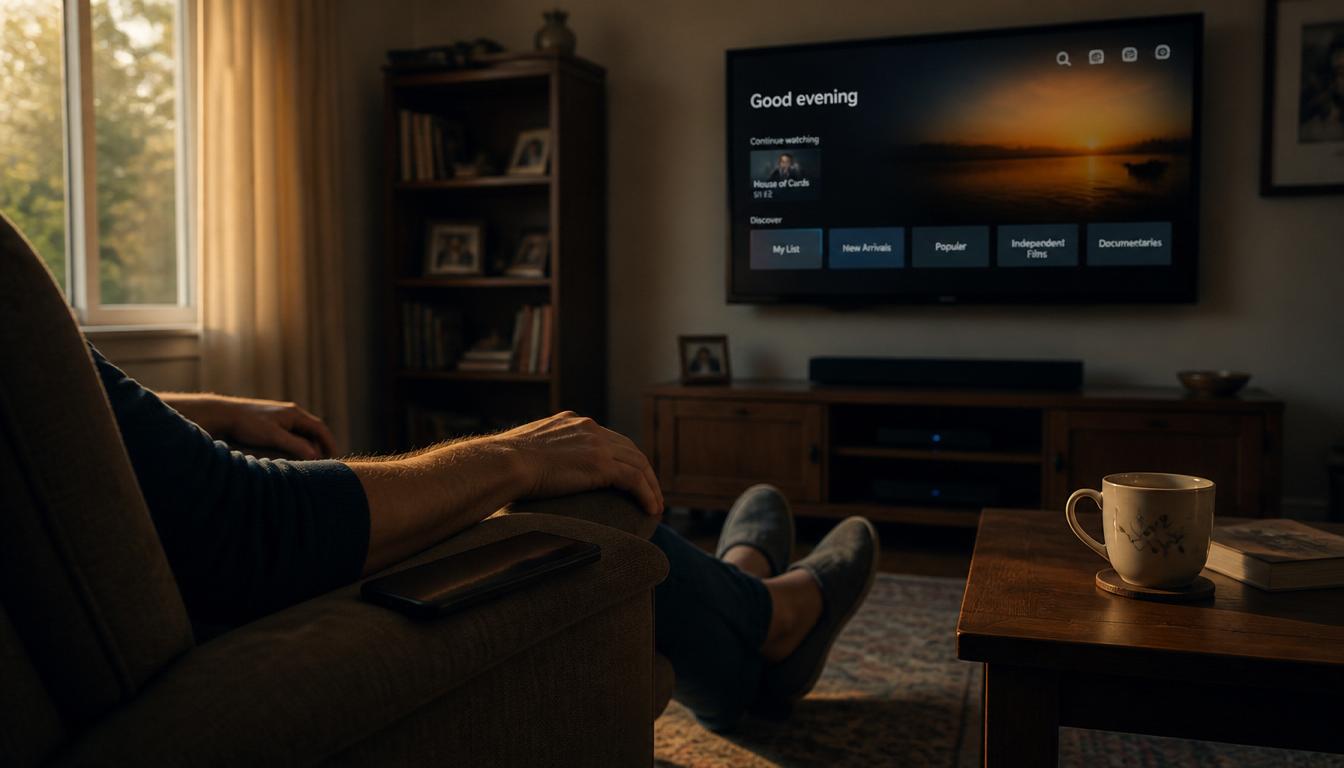
And because so many of the people I'm building for don't own a computer — but do have a smart TV or a phone — it's designed to work there too. A parent who struggles to get to the shops can still learn, save, and order what they need from their own living room.
I hope to partner with charities to help fund internet access for people who have none. Because being poor shouldn't also mean being cut off.
I don't have a posh university degree or a founder's pedigree. What I have is my parents' story, twenty years in classrooms, a builder's hands, and a refusal to accept that dignity should depend on what you can afford.
I'm building what my family needed and never had.